
The Spanish Steps at a glance
The Spanish Steps, in Italian the Scalinata di Trinità dei Monti, connect Piazza di Spagna below with the church of Trinità dei Monti and the Pincian Hill above. The stairway is made of travertine, with flights that split and rejoin, balustrades and terraces. It is described as eleven flights of twelve steps. The total that visitors usually quote is 135, and counts differ depending on how landings are treated. The steps were inaugurated in 1725.
This guide covers the steps and everything within a short walk: the square, the church, the Barcaccia fountain, the Keats-Shelley House, the Via Condotti, the Pincio terrace, the way to the Trevi Fountain and guided walks. It is an independent site, not run by the city of Rome, the church, a museum or a tour company. For the rest of the city, see Rome in one day. Prices are in euros, as listed in 2026, and they change.
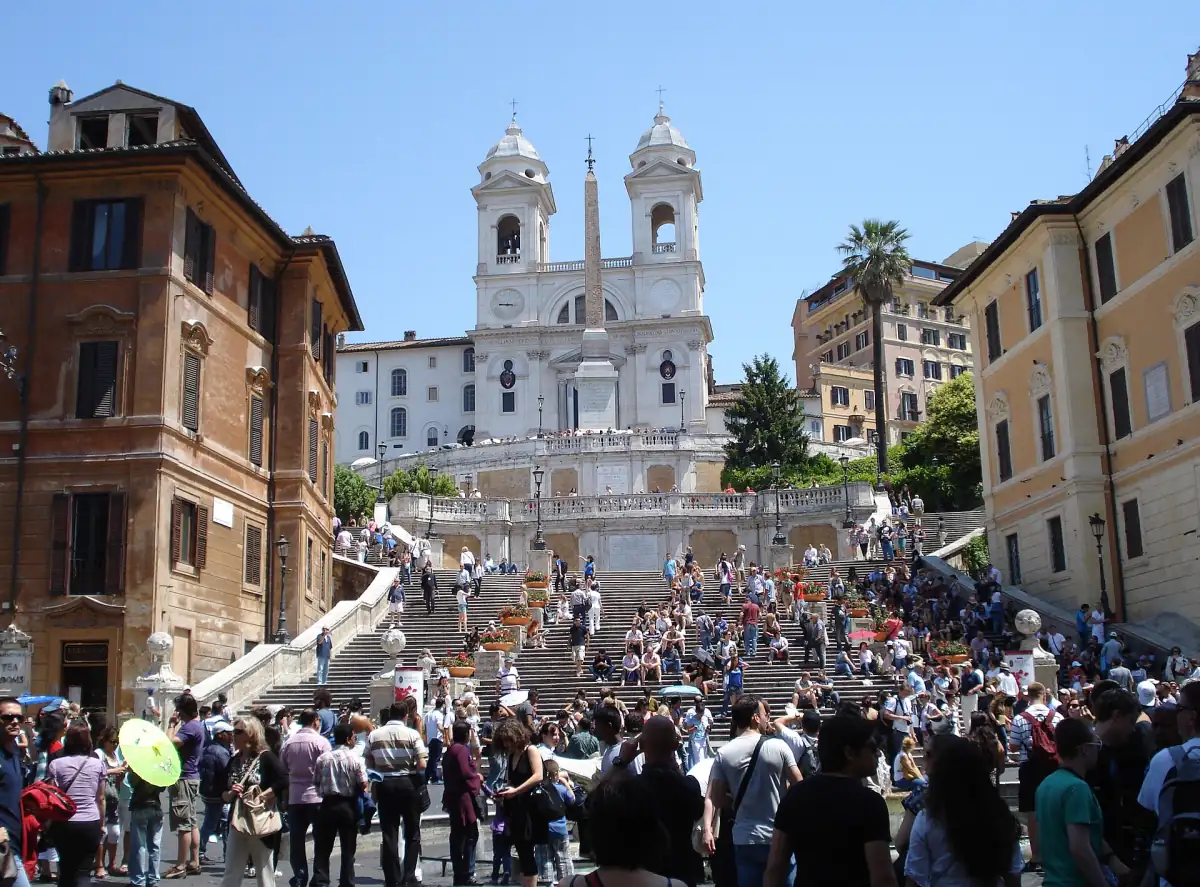
Our picks: walks around the Spanish Steps
Three guided walks that take in the Spanish Steps together with the Pantheon and Trevi.
Hand-picked tours, booked through GetYourGuide. Prices are indicative starting prices in euros (as of October 2026). Tap a tour for live availability and the current price in your currency.
Pantheon, Piazza Navona and Spanish Steps with a licensed guide
A city walk with a licensed guide in a small group, including Pantheon entry and a 45-minute Pantheon guided visit. Private only if you pick that option.
Check availability →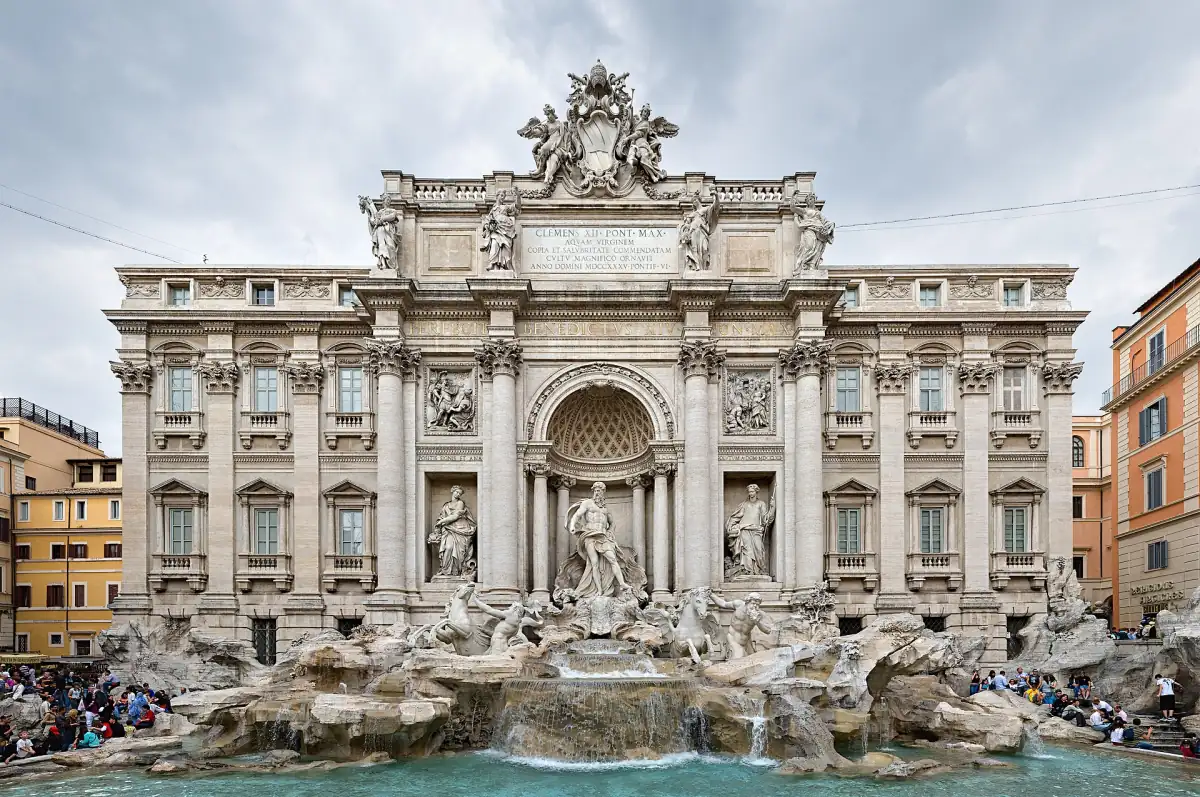
Pantheon, Trevi Fountain, Spanish Steps and Navona walk
A walk with a headset that takes in the Spanish Steps. Pantheon entry and the paid Trevi area come only with the matching option.
Check availability →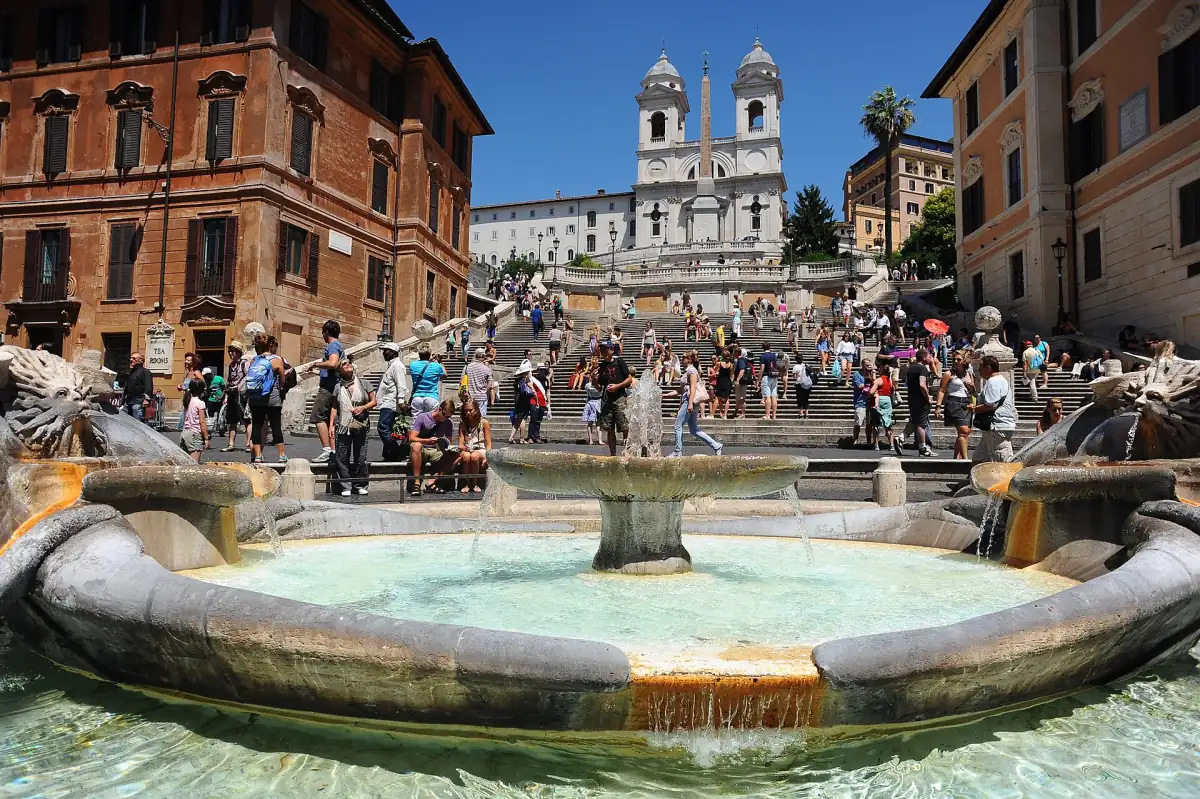
Pantheon, Trevi and Spanish Steps walking tour
A Pantheon ticket comes with every option, the guide and Pantheon visit only with the guided ones, and gelato only on the full tour. A Trevi ticket and tips are extra.
Check availability →Spanish Steps tours and walks
Walks that combine the Spanish Steps with Trevi and the Pantheon, plus other Rome tours, with live prices and availability.
Plan your visit
Start with the history or the rules, then pick the pages you need.
Spanish Steps tours
Self-guided fountain walk, the cloister visit at Trinità dei Monti and combined walks via Trevi.
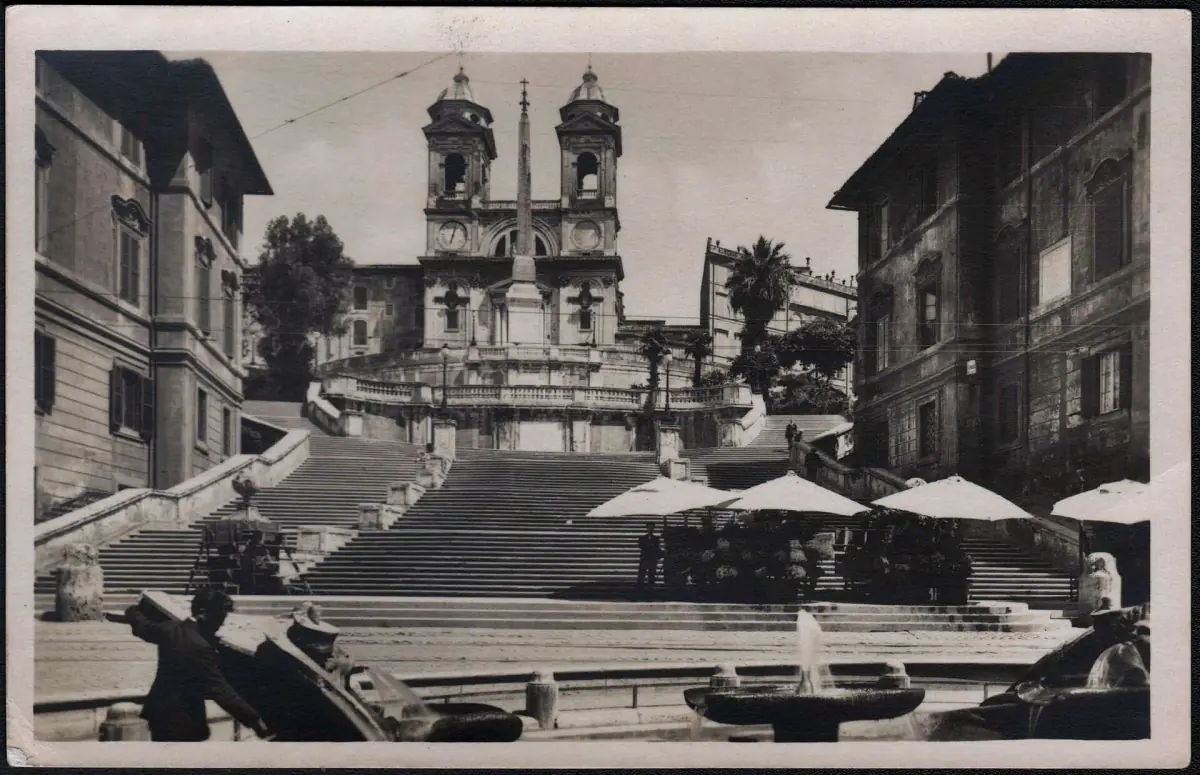
History of the Spanish Steps
From the first plan in 1559 to the inauguration in 1725 and the restoration of 2016.
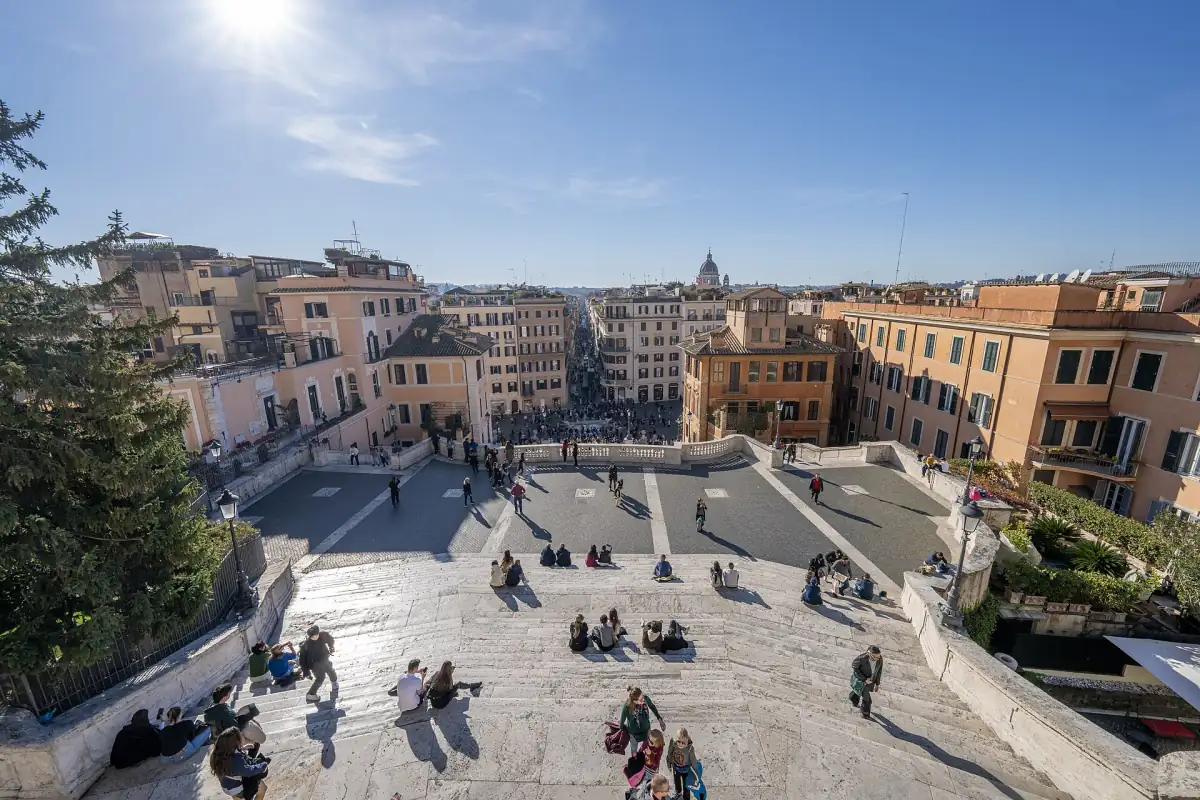
Piazza di Spagna
Why the square has its name and what stands around it.
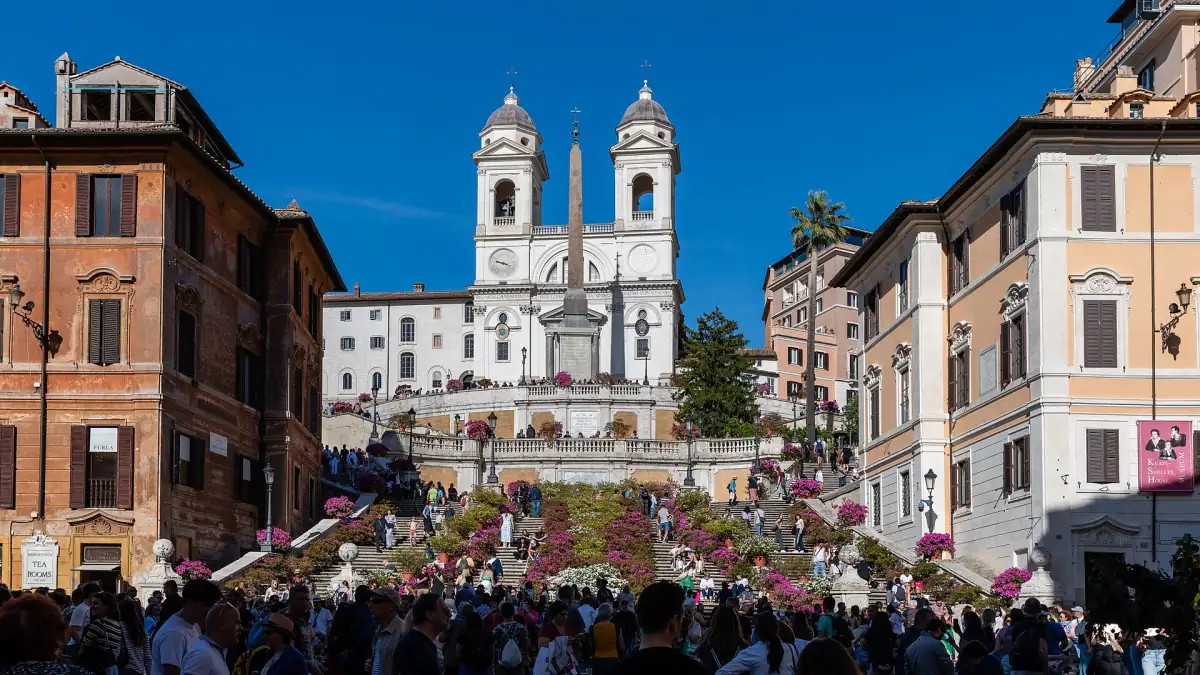
Trinità dei Monti
Opening hours, services, the cloister visit and the obelisk.
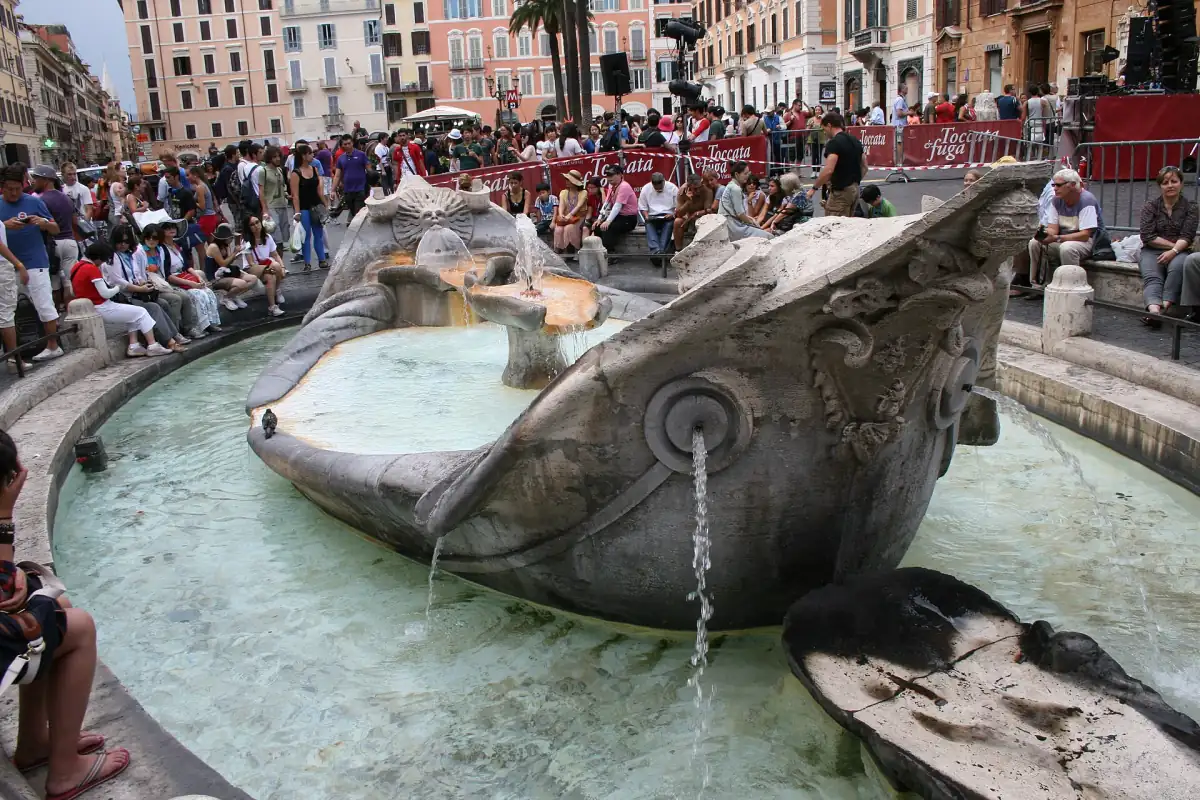
Barcaccia fountain
The sunken boat at the foot of the steps.
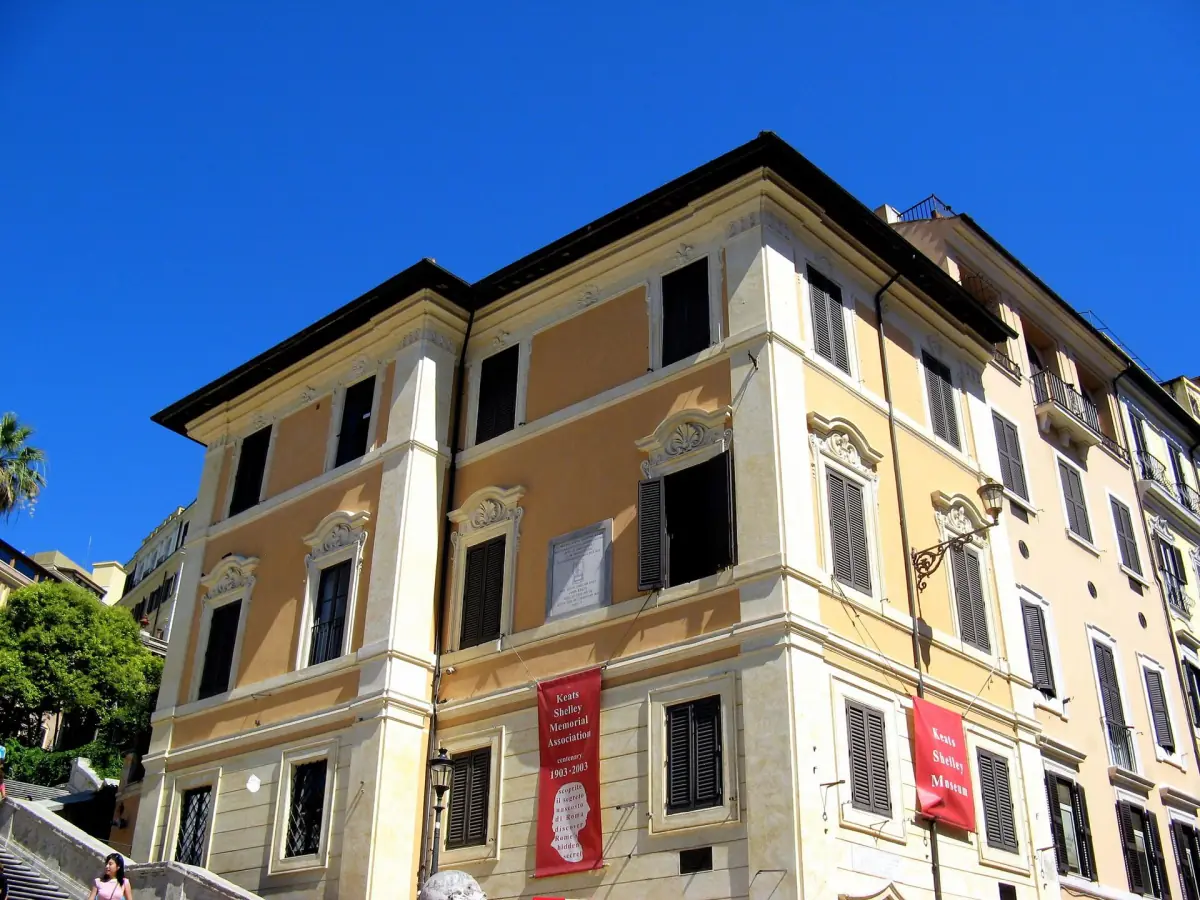
Keats-Shelley House
Hours and ticket prices for 2026.
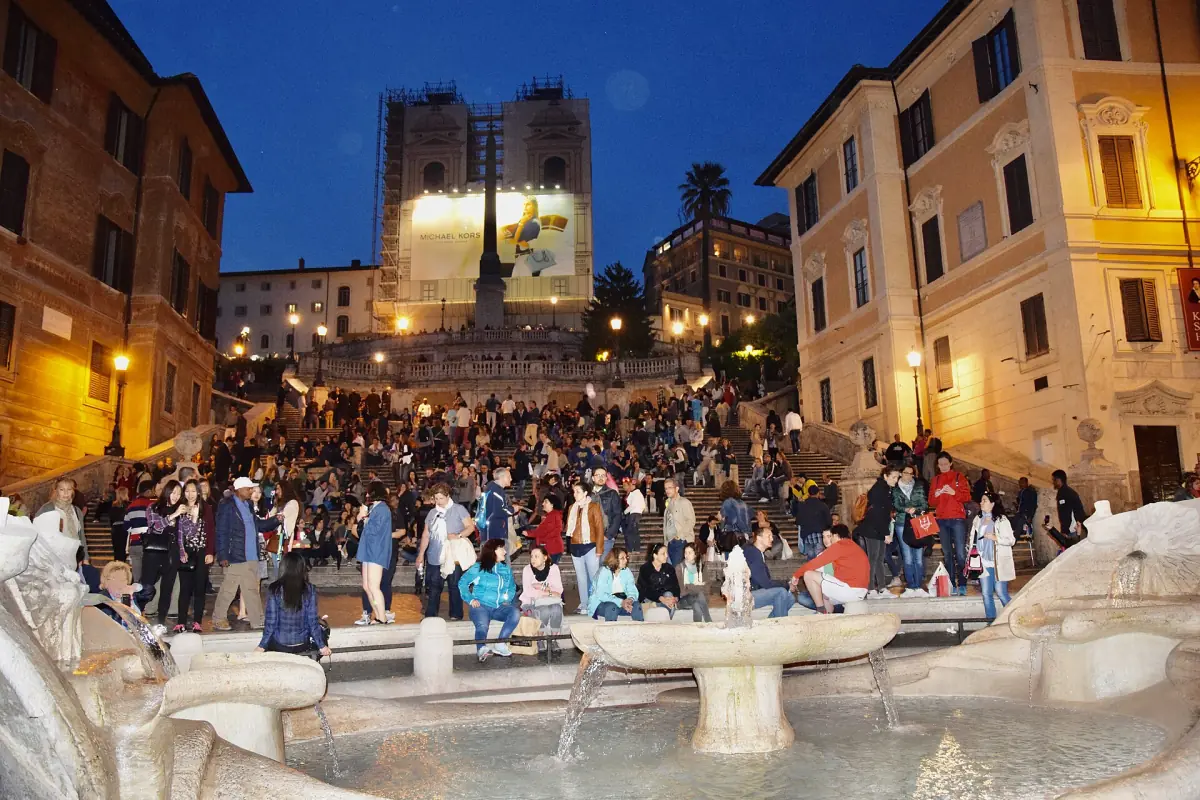
Can you sit on the steps?
What is not allowed and how to enjoy the steps within the rules.
Streets, views and practical pages
Shopping, a terrace walk, the way to Trevi and the practical details.
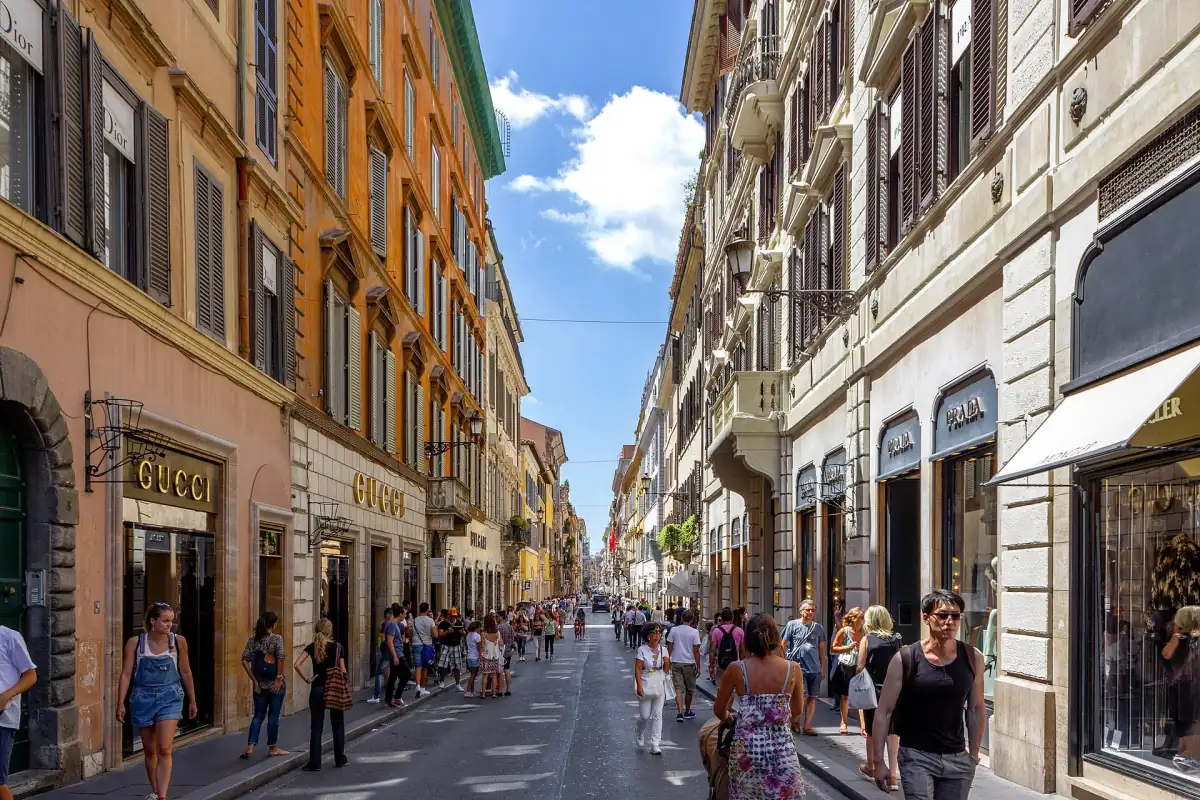
Via Condotti
The shopping street that leads away from the foot of the steps.
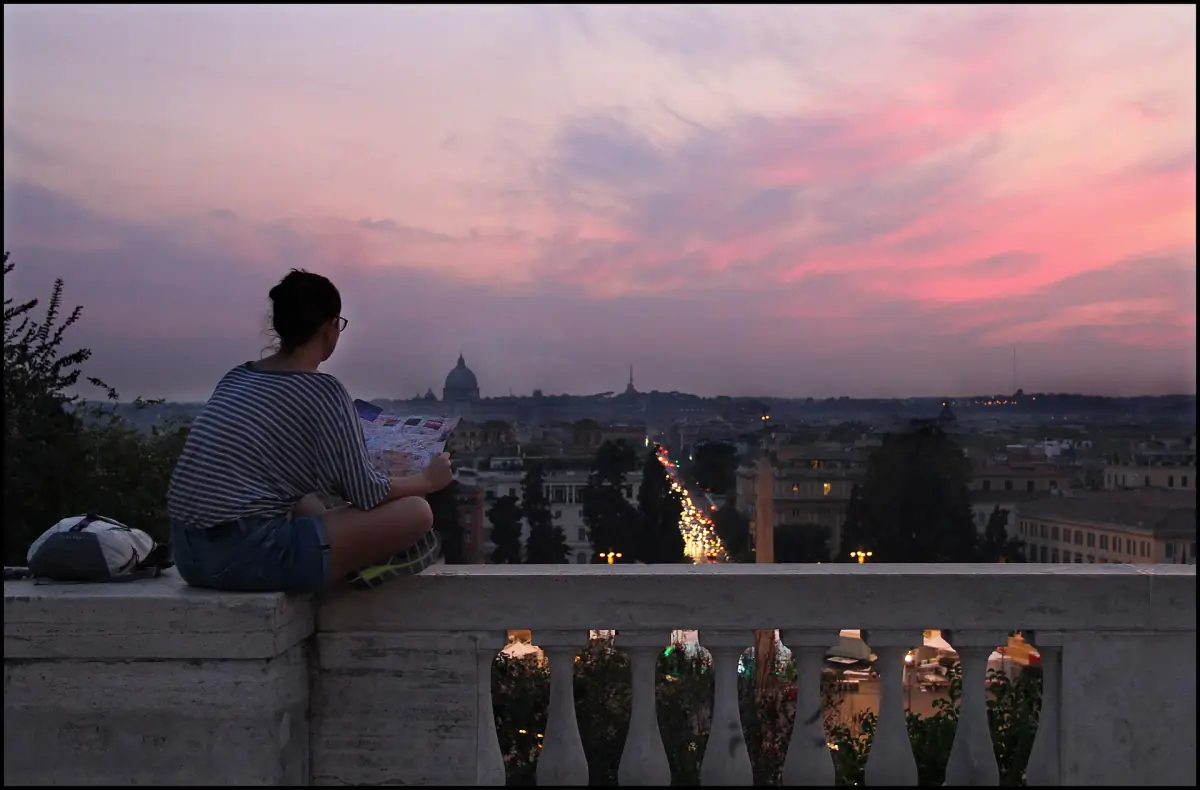
Pincian Hill
The walk up from the church to the terrace, and on to Villa Borghese.
Walk to the Trevi Fountain
A short walk, and the access rules that apply since February 2026.
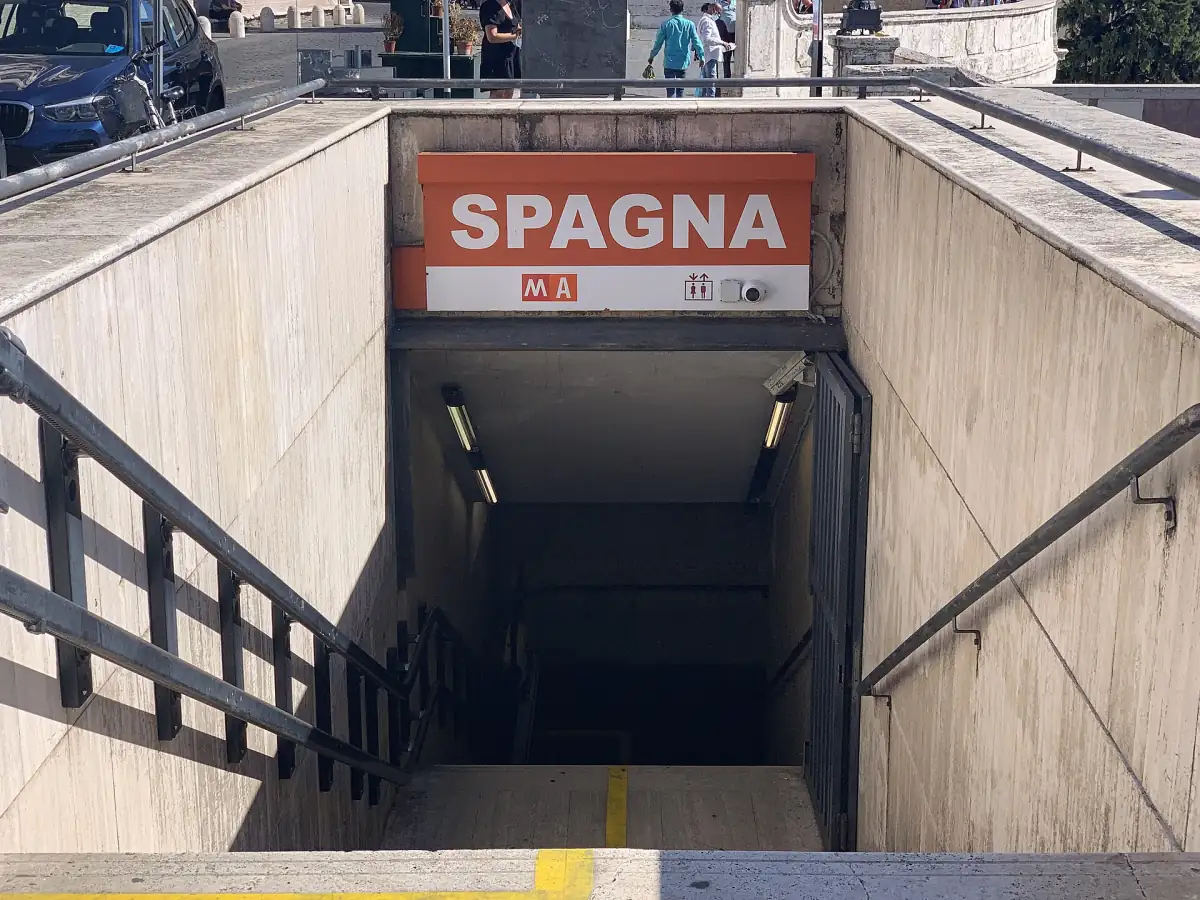
How to get to the steps
Metro Spagna, bus 119, the lift and the traffic zone.
Best time to visit
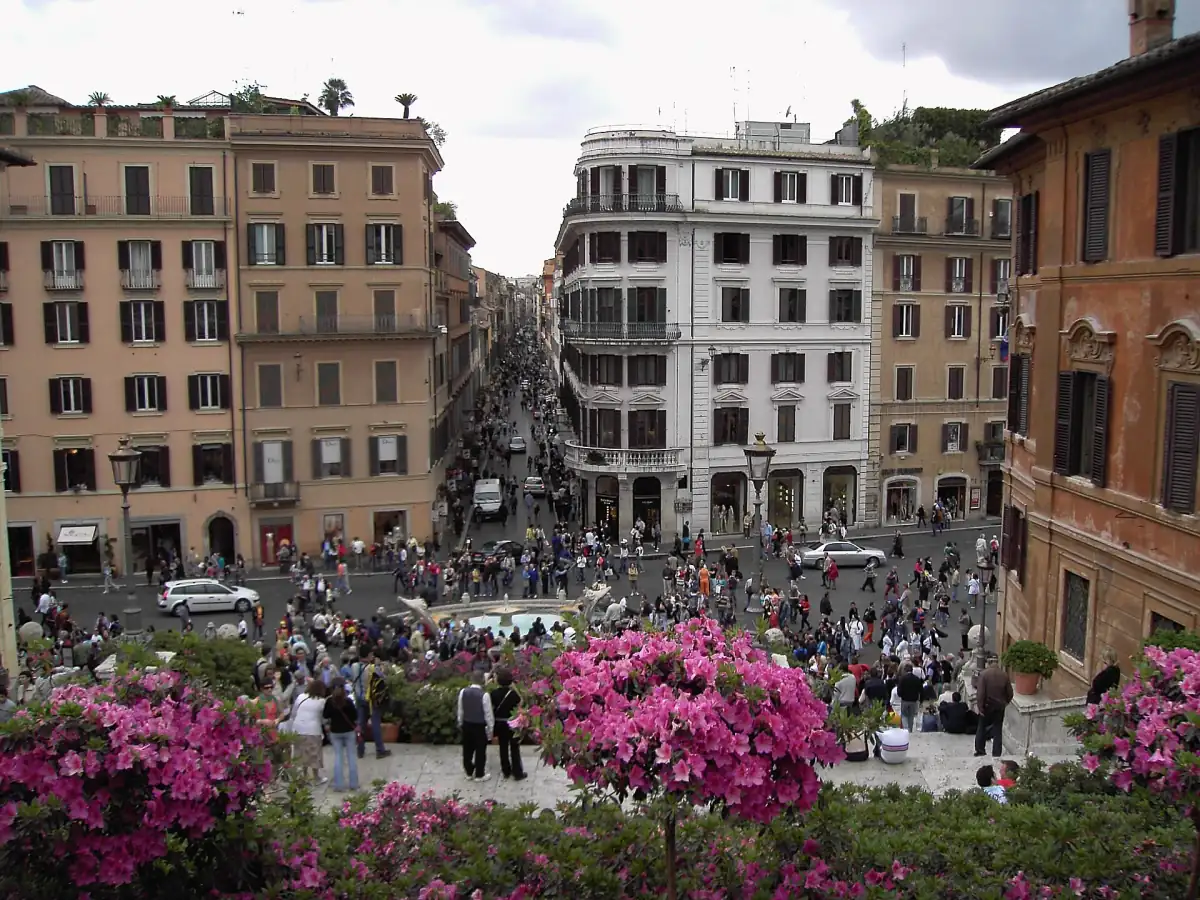
Mornings, the azaleas in spring and what the weather is like by month.
Where to stay
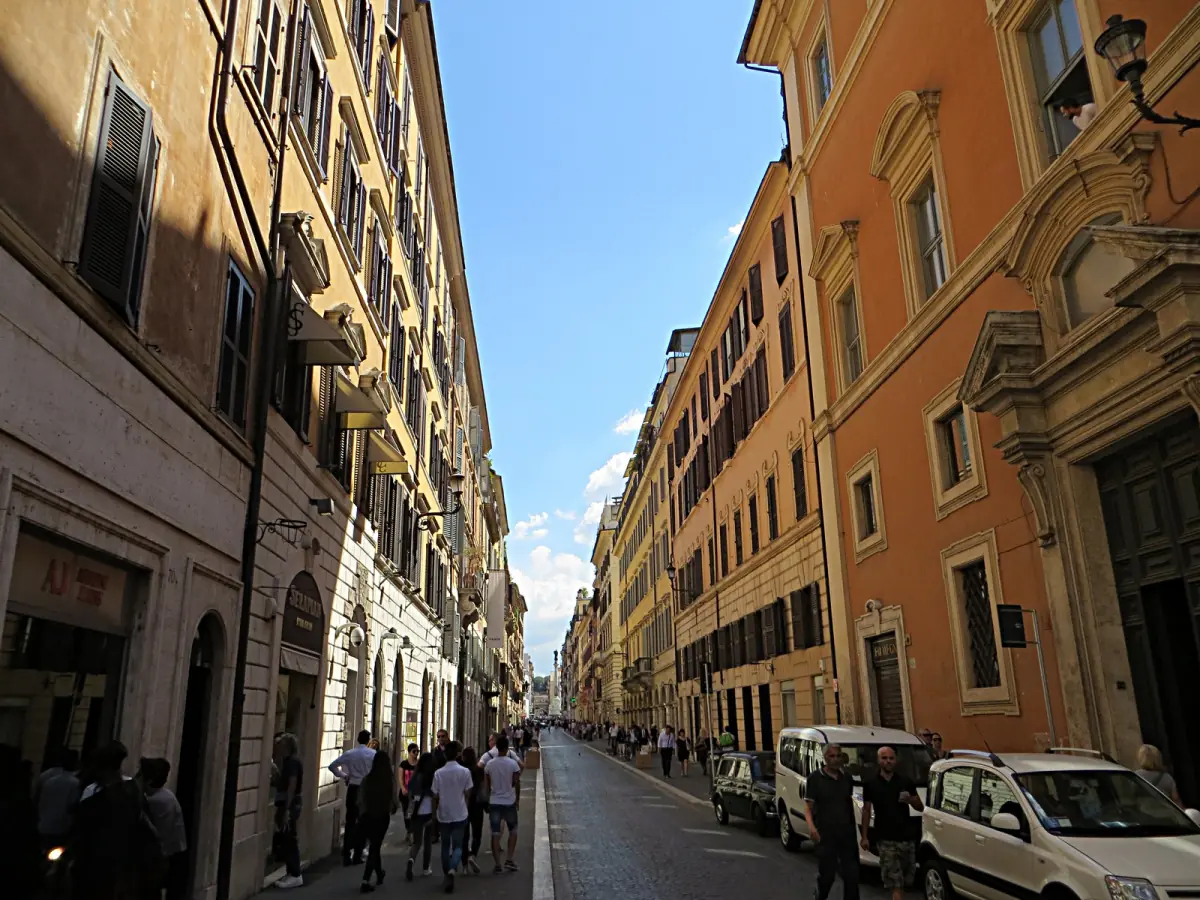
The Tridente area and what to check before you book.
Good to know
A few things to know before you plan.
The steps are free, the Trevi inner area is not
No ticket is needed for the Spanish Steps. At the Trevi Fountain, the inner area costs €2 for non-residents since 2 February 2026, while the view from outside stays free.
Trevi Fountain →Bernini did not build the steps
The architect was Francesco De Sanctis. Building took place from 1723 to 1726 or 1725, depending on the description, and the inauguration was in 1725. The square is named after the Spanish embassy to the Holy See, not after Spanish funding.
History →No sitting on the steps
Sitting and lying on monuments has been banned in Rome since 2019, and that includes the steps. Keep moving, step aside for photos and enjoy the view standing.
Rules →Metro Spagna is not step-free
The station has no lift to the platforms. A lift links the entrance on Vicolo del Bottino with the exit at Trinità dei Monti, but its working state is not guaranteed. Plan an alternative if you need a step-free route.
Getting there →The Barcaccia has been restored
The latest restoration of the fountain at the foot of the steps ended on 16 April 2025. Do not wade in it or climb on it.
Barcaccia →Antico Caffè Greco is closed
The historic café on Via Condotti closed on 8 October 2025. Treat it as a landmark to look at, not as a coffee stop to count on.
Via Condotti →Beyond the steps
Other sights in Rome that have their own guides.
The Colosseum has its own page at Rome in one day. For the Roman Forum, see the Roman Forum guide, and for the square with the Fountain of the Four Rivers, Piazza Navona. This site stays with the Spanish Steps and the streets around them.
More independent Rome guides
Separate guides from the same team, each focused on one part of a Rome trip.
St. Peter's Square and the Vatican
St. Peter's Basilica, the Vatican Museums, the Sistine Chapel and papal audiences.
Rome in One Day
A realistic one-day route with the Colosseum, Pantheon, Trevi Fountain and Trastevere.
Roman Forum
The Forum and the Palatine in depth: tickets, route, temples and history.
Piazza Navona
The baroque square: Bernini's fountain, the stadium below and the lanes around it.
Vatican Museums
Tickets, hours, the Sistine Chapel and a route through the museums.
Spanish Steps: frequently asked questions
Is there an entrance fee for the Spanish Steps?
No. You can walk up and down the steps without a ticket. Only some places nearby charge, such as the Keats-Shelley House (€7 for adults in 2026) and the inner area of the Trevi Fountain (€2 for non-residents).
Can you sit on the Spanish Steps?
No. Sitting and lying on the steps is not allowed, and the rule has applied since 2019. Keep moving, step aside for photos and read the rules page for details.
How many steps are there?
The number visitors quote most often is 135. The stairway is described as eleven flights of twelve steps, and the count changes with how landings are treated.
Who built the Spanish Steps and when?
Francesco De Sanctis designed them, and they were inaugurated in 1725. Building is dated 1723 to 1726 or 1723 to 1725. The history page explains the earlier plans.
How do I get to the Spanish Steps?
Take Metro line A to Spagna. The stop is a short walk from the foot of the steps. Bus line 119 serves the area around Trinità dei Monti, and the getting there page lists tickets and the traffic zone.
Is spanishsteps.org an official website?
No. This is an independent travel guide with no link to the city of Rome, the church of Trinità dei Monti, the Keats-Shelley House or any tour operator.